March 5, 2025
Leak management is a pivotal element of environmental responsibility. Addressing leaks promptly can prevent significant harm to our planet and conserve valuable resources. But why is it so important, and how does it contribute to sustainability? As we explore these questions, you’ll gain a deeper understanding of how effective leak management can make a tangible difference for industries and the environment alike.
Leaks, whether from industrial equipment or pipelines, can have devastating environmental consequences. When hazardous substances escape into the environment, they can lead to pollution of air, water, and soil. This contamination not only affects human health but also disrupts ecosystems, putting wildlife at risk. Industrial leaks can introduce toxins into water sources, endangering aquatic life and compromising water quality for human consumption.
Beyond pollution, leaks contribute to the waste of precious resources. Consider oil or gas leaks; each drop lost is a resource that requires energy and effort to extract and process. This wastefulness extends to financial resources, as companies may face hefty fines and cleanup costs. Additionally, leaks can damage machinery and infrastructure, leading to further waste and inefficiencies.
The ripple effects of leaks are profound. Ecosystems may take years or even decades to recover from contamination, and the associated costs can burden communities and industries alike. By understanding these impacts, industries can better appreciate the urgency of implementing effective leak management strategies.
Effective leak management is a cornerstone of sustainability efforts. By identifying and addressing leaks promptly, industries can conserve resources that would otherwise be lost. This conservation is not just about minimizing waste—it’s about making the most of the resources we have, ensuring they are used efficiently and responsibly.
Leak management also minimizes environmental harm. By preventing pollutants from escaping into the environment, industries can protect ecosystems and reduce their carbon footprint. This proactive approach aligns with global sustainability goals, such as reducing greenhouse gas emissions and promoting clean energy practices.
Moreover, focusing on leak management demonstrates a commitment to sustainability that resonates with stakeholders. Investors, customers, and regulators increasingly prioritize environmental responsibility, and effective leak management can enhance a company’s reputation and competitiveness in the market.
Implementing effective leak management practices requires a proactive and systematic approach. The first step is to conduct regular inspections and maintenance of equipment to identify potential leak sources. Advanced technologies, such as sensors and monitoring systems, can detect leaks early, allowing for swift intervention.
Training employees to recognize and respond to leaks is equally important. By fostering a culture of vigilance and accountability, companies can empower their workforce to take immediate action when leaks are detected. This proactive mindset helps prevent minor issues from escalating into significant environmental threats.
Finally, industries should establish clear protocols for addressing leaks. These protocols should outline steps for containment, cleanup, and reporting, ensuring that all incidents are managed efficiently and transparently. By integrating these practices into their operations, industries can significantly reduce the likelihood of leaks and their associated impacts.
Prioritizing leak management offers numerous benefits for companies. One of the most immediate advantages is cost savings. By preventing leaks, companies can avoid expensive cleanup operations, regulatory fines, and equipment repairs. This financial efficiency can enhance profitability and allow for reinvestment in sustainability initiatives.
Regulatory compliance is another important benefit. As governments worldwide tighten environmental regulations, effective leak management ensures that companies meet legal requirements and avoid penalties. Compliance also strengthens relationships with regulators and enhances a company’s reputation as a responsible industry leader.
Furthermore, focusing on leak management can improve a company’s public image. As consumers become more environmentally conscious, companies that demonstrate a commitment to sustainability can attract a loyal customer base. This positive perception can lead to increased market share and long-term business success.
Effective leak management is a vital aspect of environmental responsibility, offering significant benefits for both the planet and industries. By understanding the environmental impacts of leaks and implementing proactive management practices, companies can conserve resources, comply with regulations, and enhance their reputation. At TT Gaskets, we are dedicated to providing innovative gasket solutions that support effective leak management, helping our clients enhance safety, efficiency, and sustainability in their operations. As you consider the importance of leak management, remember that it’s not just a strategy—it’s a commitment to a better future for all.
August 31, 2021
You have probably heard of the Jeff Bezos’s Blue Origin rocket launch that happened in July. The launch became famous due to the unique shape of the rocket, and it started a new Star Wars between billionaires. Less social media attention got the fact that the rocket propellant was zero-carbon. Liquid hydrogen and oxygen don’t cause carbon emissions when burnt.
Of course, liquid hydrogen has been used as a rocket fuel for decades, but these media stunts are effective in bringing important matters up. As hydrogen-based economy is an alternative for the current fossil fuel-based economy. Or at least it has potential uses as we are struggling off from fossil fuels.
Let’s start off by listing the pros and cons of hydrogen.
| Pros | Cons |
| Zero-carbon (from sustainable sources) | Lack of existing infrastructure |
| High energy density | Difficult to transport and store |
| Renewable supply | Low efficiency of production |
| P2X and industrial potential |
As the simplest, lightest and most common element in the universe, hydrogen has many benefits in comparison to its fossil fuel counterparts. The best part is that it doesn’t have a carbon chain meaning that burning hydrogen does not accelerate global warming.
But unfortunately, currently hydrogen is mostly made from natural gas or petroleum products. Luckily there’s still plenty of fish in the sea, as water is 1/8 hydrogen by mass. With rapidly developing electrolysis hydrogen and oxygen can be separated from the water molecules efficiently.
Hydrogen has also a superior energy density when compared to for example gasoline. Hydrogen has 119 MJ of energy per kg when gasoline has to settle for 43 MJ/kg. And to put that into perspective, the best lithium-ion batteries reach 0,3 MJ/kg. So, hydrogen is an excellent energy storage.
The last, but not least of the pros of hydrogen is the potential for P2X and industrial source material uses. Hydrogen rarely exists as an H₂ molecule on Earth as it forms compounds easily. That quality can be utilized in P2X-applications which create carbon-neutral fuels or to replace fossil fuels in the chemical industry. Hydrogen and carbon dioxide can be used to make sustainable ammonia and methanol.
If hydrogen is all-around better than fossil fuels, why don’t we just start to use it instead? Well, it is as easy as getting rid of smoking. Seems simple, you just need to stop smoking, but in practice it has a lot more to it. We have built our societies and infrastructure for decades to support the use of fossil fuels, so it will take decades to rebuild them. Unless we step up the game as we don’t have decades if we want to have a habitable planet for humans in the future.
Storing and transporting hydrogen is tricky as hydrogen is a small-molecular gas that eventually passes through even the best seals (that are of course made by TT Gaskets) and metal cylinders. Hydrogen also has a low volumetric energy density, meaning that storing hydrogen requires large tanks or it must be compressed or liquified. Compressing does not help much as the pressure would have to be hundreds of bars to be effective and that leads to both practical and safety issues. Liquification also has its issues, as liquid hydrogen is roughly –260 °C and thus gasifies easily which leads to lost energy.
Despite these problems with hydrogen, it still is a potential solution for a sustainable future. As mentioned, hydrogen forms compounds easily which can be used as an energy storage or source. If we create hydrogen with electrolysis where it is needed, the excess can be stored as ammonia or methanol and used as such in vehicles or turned back into electricity and heat in local power plants. All in all, we at TT Gaskets are excited about more sustainable future and are ready to provide smarter seals for a safer tomorrow for these new applications.
February 8, 2021
Hybrid and electric cars have been a hot topic in the media. States and unions are using different means to support electrification. Cars are important for achieving sustainability, but electric drives have progressed for decades underground.
And I literally mean underground, as the mining industry has strong incentives to electrify its operations. At least our company van has a powerhouse diesel engine. But it has a major downside – exhaust fumes. The fumes are not healthy for you and the carbon balance of our atmosphere. But especially underground they will kill the canary and put out the candle on your helmet.
To put this into perspective – HVAC in the mines use 25 % of total energy consumption. So, there’s plenty of room for improvement. Luckily mining companies are trying to tackle this challenge with two different strategies.
Electric drives naturally reduces the need for ventilating exhaust fumes. Automation reduces the need even more as less people are working in the mine. The benefits are so evident that some machines are now run with a cable. Battery technology still lacks behind the requirements.
Cables are hopefully a makeshift solution as battery technology develops. And innovations such as automatic battery changer are put to use. Thanks to automation, pictures of people with pickaxes and messy faces are finally put into the history books once and for all.
Even though diesel engines are a strong competence for us at TT Gaskets, we are more than happy to provide novel solutions for more sustainable mining industry. Or as we put it, Smarter Seals for a Safer Future.
September 4, 2020
Among all this hassle with the pandemic, we have had time to think about what’s important and what could be done differently. Reduced need for commuting and working remotely has given us more free time ¹. Facilities and businesses around the world have been closed due to health reasons ². Radical decline in air traffic has caused the popular tourist attractions to be abandoned ³. And the list goes on.
Fragile economy and reduced emissions
Of course, this has not been a good thing for individuals who have lost their jobs (or lives/health for that matter) or for companies who have gone bankrupt. But in a larger scale, this has shown the fragility of our economy and that our actions can make a difference in a global scale. During the peak lockdown a couple of months ago, the daily global CO₂ emissions were reduced by 17 % ⁴. Although this change was not permanent, and the emissions are likely to grow back, it showed us how large an impact we have on our planet.
Magical resources
And to go even further, this lockdown leads us to think how we can ensure resources for our local economy in the future, if our global suppliers are out of the equation. Before the lockdown we were nearly blind to the fact that stuff doesn’t just magically appear in our warehouses. Someone actually manufactures it, and it requires resources such as energy, raw materials and elbow grease. If these aren’t available, stuff can’t be done, no matter how many emails we send to them.
Closing the loop
One essential way to ensure resources for the future is to take care of materials we have available, not to consider them as junk after a while. Recycling is important of course, but things should be stepped up to create a circular economy model, where materials cycle in a closed loop as long as possible. Instead of our current linear model, where products are mostly landfilled after use, the products are either renewed or recycled to create new products.
Giving example
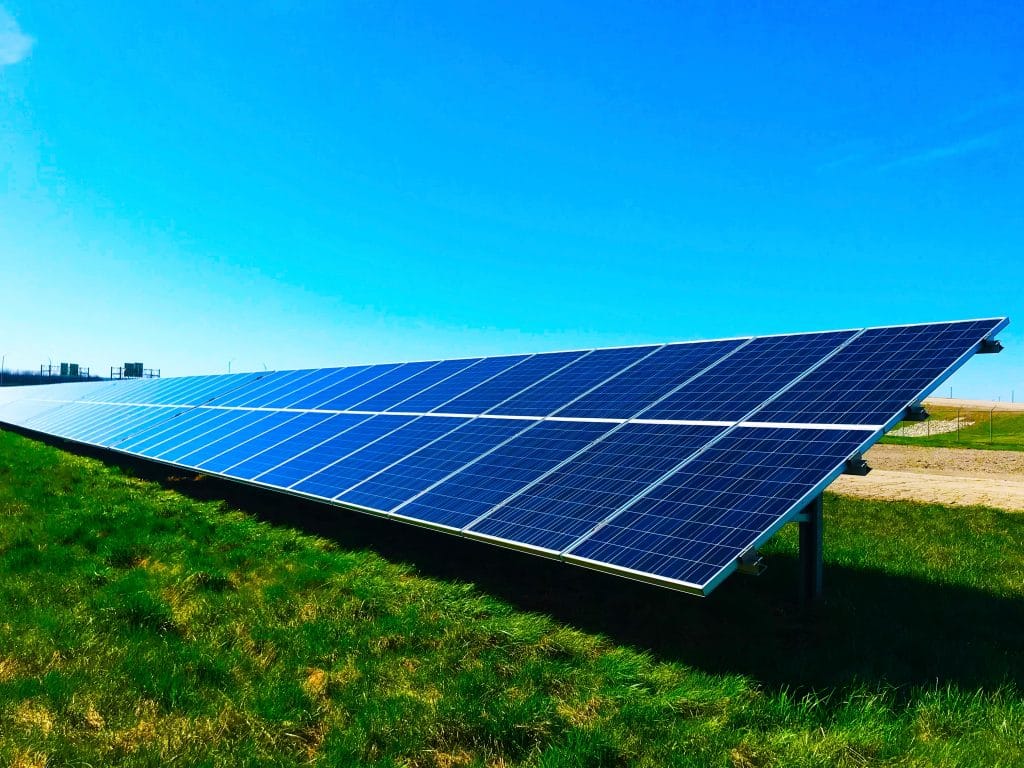
Doing a major change like this isn’t easy but taking small steps towards the goal of a more sustainable and stable future is beneficial. We at TT Gaskets are also concerned of the environment and are planning to start a sustainable development program that can be taken into action in other companies as well. The actions include for example investing in solar energy, enhancing material use and recycling as well as finding biobased alternatives for fossil materials. First steps towards a greener, smarter and safer future has already been taken, and we hope that you join us in this journey.
